The Best Fluffy Pancakes recipe you will fall in love with. Full of tips and tricks to help you make the best pancakes.
The Best Fluffy Pancakes recipe you will fall in love with. Full of tips and tricks to help you make the best pancakes.

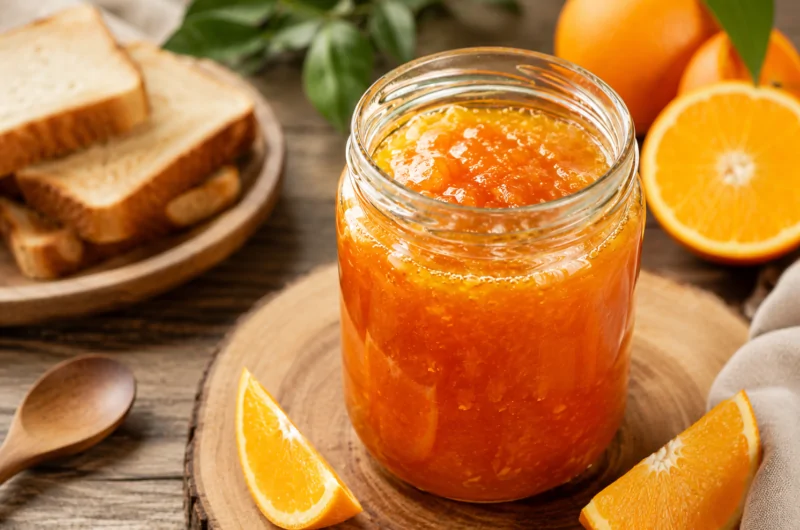
Nothing compares to the fresh aroma of oranges filling the kitchen while a pot of marmalade slowly simmers on the stove. Unlike store-bought spreads that often contain artificial colors, flavors, and preservatives, homemade orange Jam delivers the pure taste of fresh citrus in every spoonful. Whether you spread it over warm toast, drizzle it on pancakes, or pair it with parathas, this classic preserve adds a bright and refreshing touch to any breakfast table.
Today, I am sharing a traditional homemade orange Jam recipe that has been enjoyed for decades. It makes a delicious, naturally flavored spread with the perfect balance of sweetness, citrus freshness, and slightly chewy orange peel.
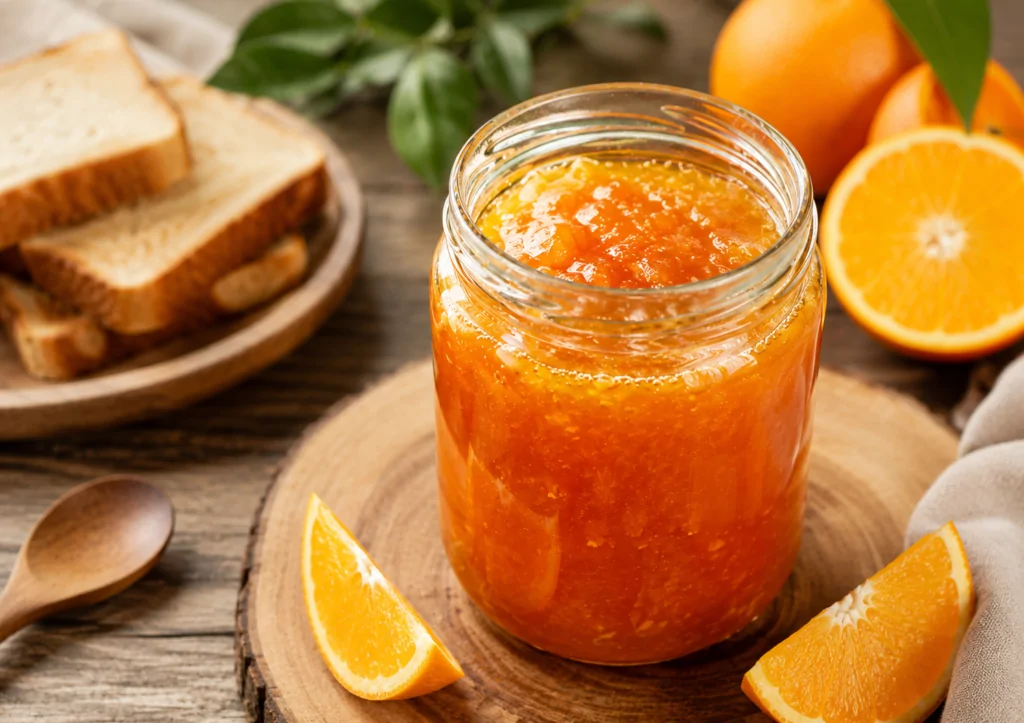
Orange Jam has its roots in Europe and has been a breakfast favorite for centuries, particularly in Britain and Scotland. While various fruits can be used to prepare marmalade, oranges remain the most popular because of their natural sweetness and pleasant bitterness. Over time, homemade marmalade recipes have spread across the world, with every family adding its own little twist. This recipe uses fresh Kinnow oranges, which are known for their juicy pulp, fragrant rind, and rich flavor, making them an excellent choice for preparing marmalade at home.
Preparing orange jam is quite simple when divided into a few easy steps. First, prepare the oranges by extracting the juice, separating the pulp, and shredding the orange rind. Then combine everything with sugar and cook slowly until it reaches a thick, glossy consistency.
Homemade orange jam tastes wonderful when spread over toasted bread, croissants, bagels, buns, or freshly baked biscuits. It also pairs beautifully with pancakes, waffles, and even traditional parathas for a delightful sweet and tangy breakfast. You can also use it as a filling for cakes, cookies, and pastries or stir a spoonful into yogurt for extra citrus flavor.
When enjoyed in moderation, homemade orange jam can be a better alternative to many commercially produced fruit spreads because it contains fresh oranges without artificial colors or flavors. Oranges are naturally rich in vitamin C, antioxidants, and plant compounds that support immunity and overall health. The orange rind also contains beneficial fiber and essential oils that contribute both flavor and nutrients. Since marmalade contains a generous amount of sugar for preservation and texture, it is best enjoyed as part of a balanced diet.
Allow the marmalade to cool completely before storing it. Transfer it into a clean, sterilized airtight glass jar and keep it refrigerated. Properly stored homemade orange marmalade remains fresh for about 2 to 3 weeks. Always use a clean, dry spoon when serving to maintain freshness and extend its shelf life.
Homemade orange Jam is a simple yet rewarding recipe that transforms fresh oranges into a delicious preserve bursting with natural citrus flavor. Its perfect combination of sweetness, tanginess, and tender orange peel makes it an excellent addition to breakfasts, desserts, and baked treats. Once you experience the freshness and aroma of homemade marmalade, you’ll find it difficult to return to store-bought versions. Prepare a batch, store it in your refrigerator, and enjoy a spoonful of sunshine whenever you crave a refreshing citrus treat.
Kinnow oranges are an excellent choice because they contain plenty of juice, thick pulp, and flavorful rind. However, Valencia, Navel, or Seville oranges can also be used depending on availability.
The white pith has a naturally bitter taste. Removing most of it ensures your marmalade has a pleasant balance of sweetness and citrus flavor without becoming overly bitter.
Place a small spoonful on a chilled plate. If it thickens and wrinkles slightly when pushed with your finger instead of flowing like syrup, it is ready.
You may slightly reduce the sugar, but keep in mind that sugar not only adds sweetness but also helps preserve the marmalade and creates its characteristic gel-like consistency.
Yes. Store it in freezer-safe airtight containers, leaving a little space for expansion. Frozen marmalade can last for several months while retaining its flavor and texture.
500
grams20
minutes40
minutes7 Kinnow oranges (or any juicy orange variety)
3 cups sugar
Juice of ½ lemon